SMBC Indonesia's Concrete Steps in Driving Sustainable Banking through the Implementation of Climate Risk Management & Scenario Analysis (CRMS)
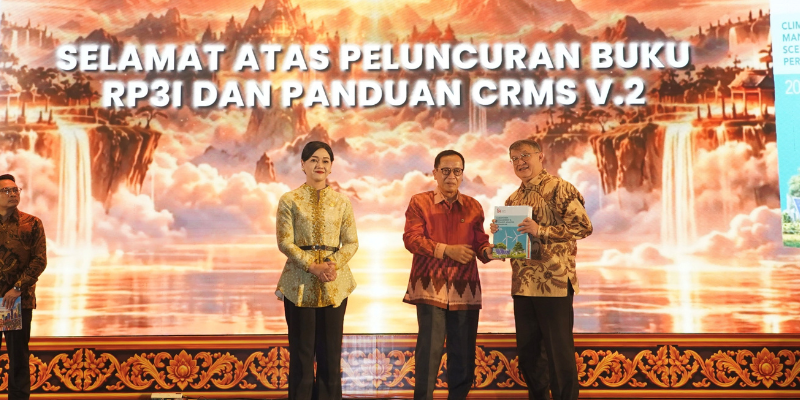
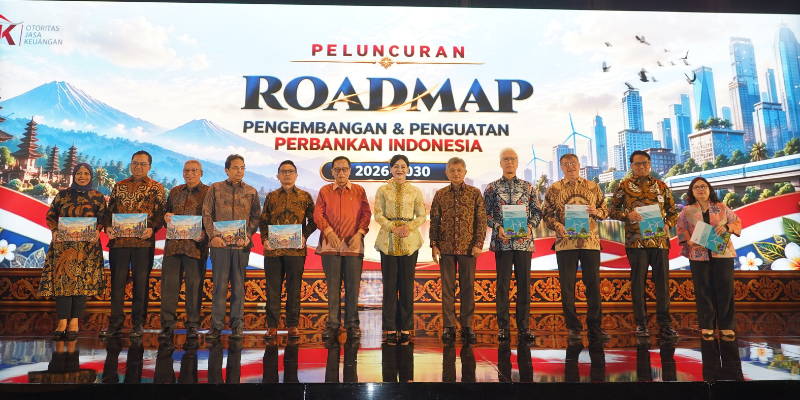
Denpasar – SMBC Indonesia attended the launch of the 2026–2030 Roadmap for the Development and Strengthening of Indonesian Banking (RP3I) in Denpasar, Bali, on October 2, 2026. The event was attended by SMBC Indonesia President Director Henoch Munandar. The invitation was extended in recognition of SMBC Indonesia's role as one of the four banks participating in the Financial Services Authority (OJK) pilot program for Climate Risk Management & Scenario Analysis (CRMS) 2.0.
CRMS serves as a guide for assessing business model resilience and preparing bank strategies to address climate change risks across short, medium, and long-term horizons. SMBC Indonesia is actively participating in the CRMS implementation pilot as one of 18 participating banks from the KBMI 3 and 4 categories (Bank Groups based on Core Capital).
This year, SMBC Indonesia was again invited to participate in an in-depth interview regarding the follow-up to the 2025 Climate Risk Stress Test (CRST) implementation. During the session, SMBC Indonesia provided a detailed explanation of the CRST execution and offered input on data sources utilized beyond those provided by the OJK.
OJK noted that the participating banks executed the transition scenarios in a more granular and in-depth manner per sector, with the following provisions:
-
2024 baseline data, covering 100% of the bank's portfolio.
-
Priority sectors at 37% and non-priority sectors at 63%*.
-
The transition risk scenario utilizes the Indonesia Policy Scenario in accordance with OJK guidelines.
*OJK's priority sectors: Agriculture, Forestry, and Fisheries; Mining and Quarrying; Electricity, Gas, Steam/Hot Water, and Air Conditioning Supply; Construction; Transportation and Storage; and Manufacturing Industry.
The Four Pillars of CRMS 2026 include:
-
Governance: integrating climate risk oversight into the responsibilities of the Board of Directors and the Board of Commissioners.
-
Strategy: aligning the bank's business model with Indonesia's 2060 Net Zero Emissions (NZE) target.
-
Risk Management: incorporating physical risks (such as floods and extreme weather) and transition risks (such as regulatory changes and carbon taxes) into the credit and market risk frameworks.
-
Disclosure: delivering transparent reports regarding the bank portfolio's exposure to high-carbon sectors.
SMBC Indonesia is committed to implementing climate change-related risk management governance as an integral part of the bank's overall risk management practices.
Share